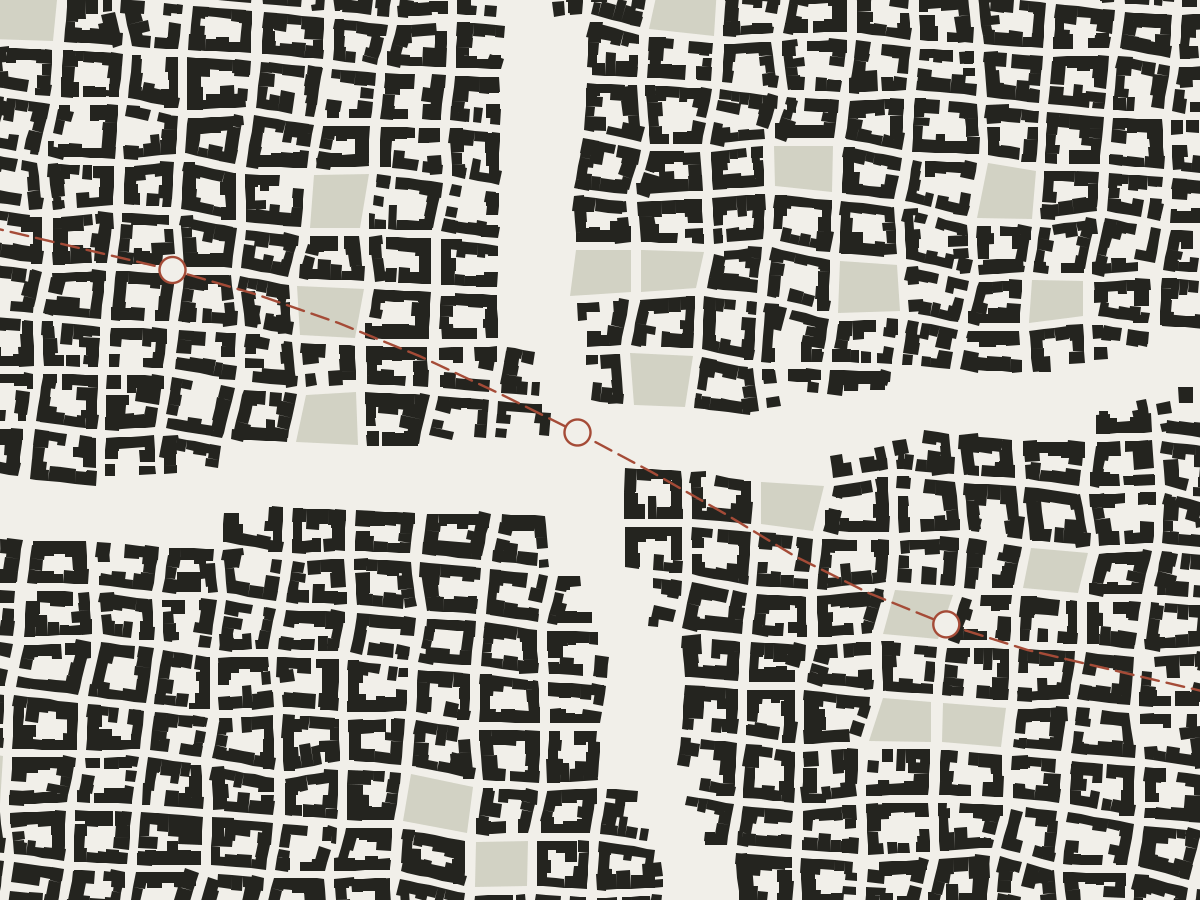
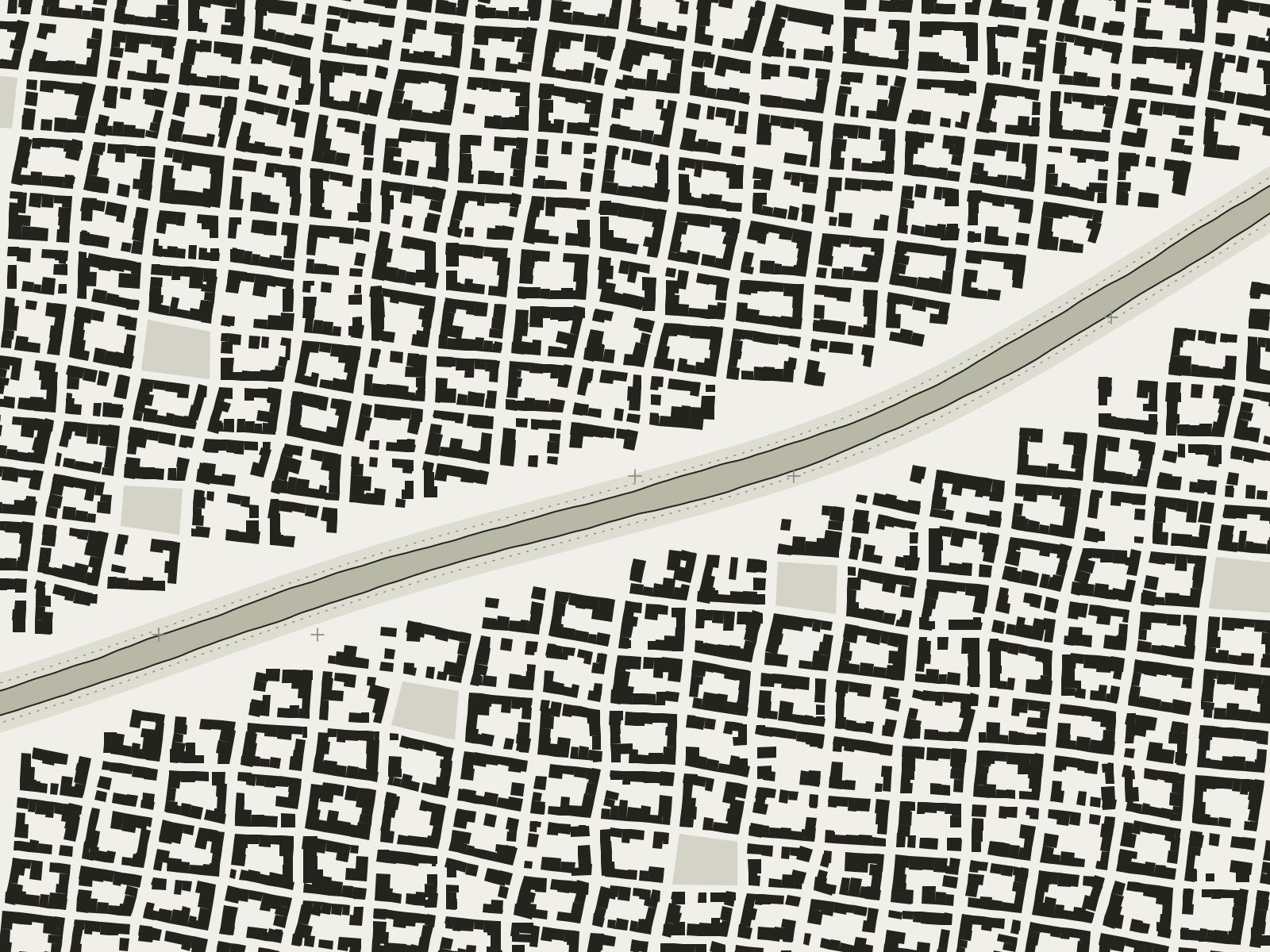
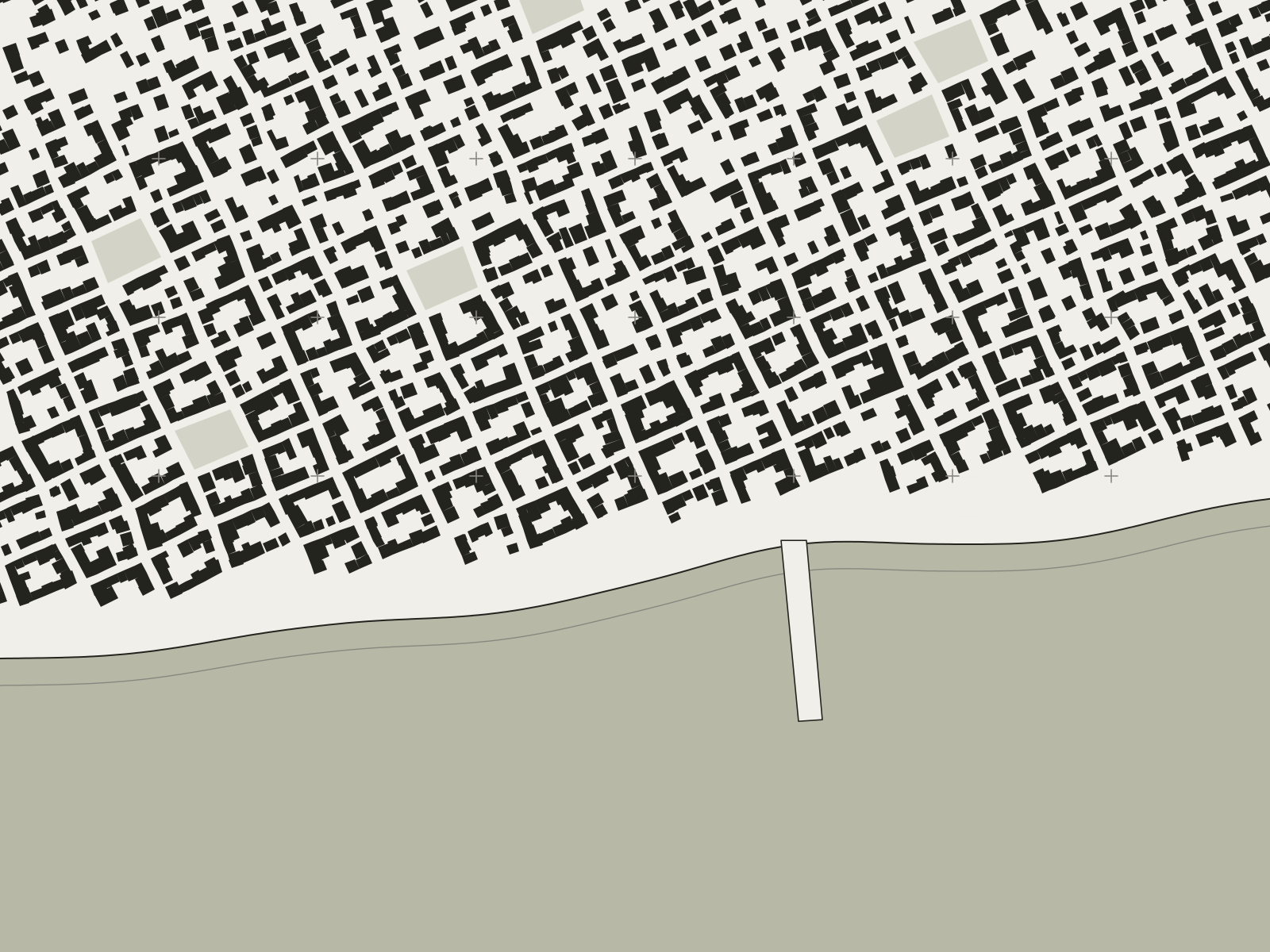
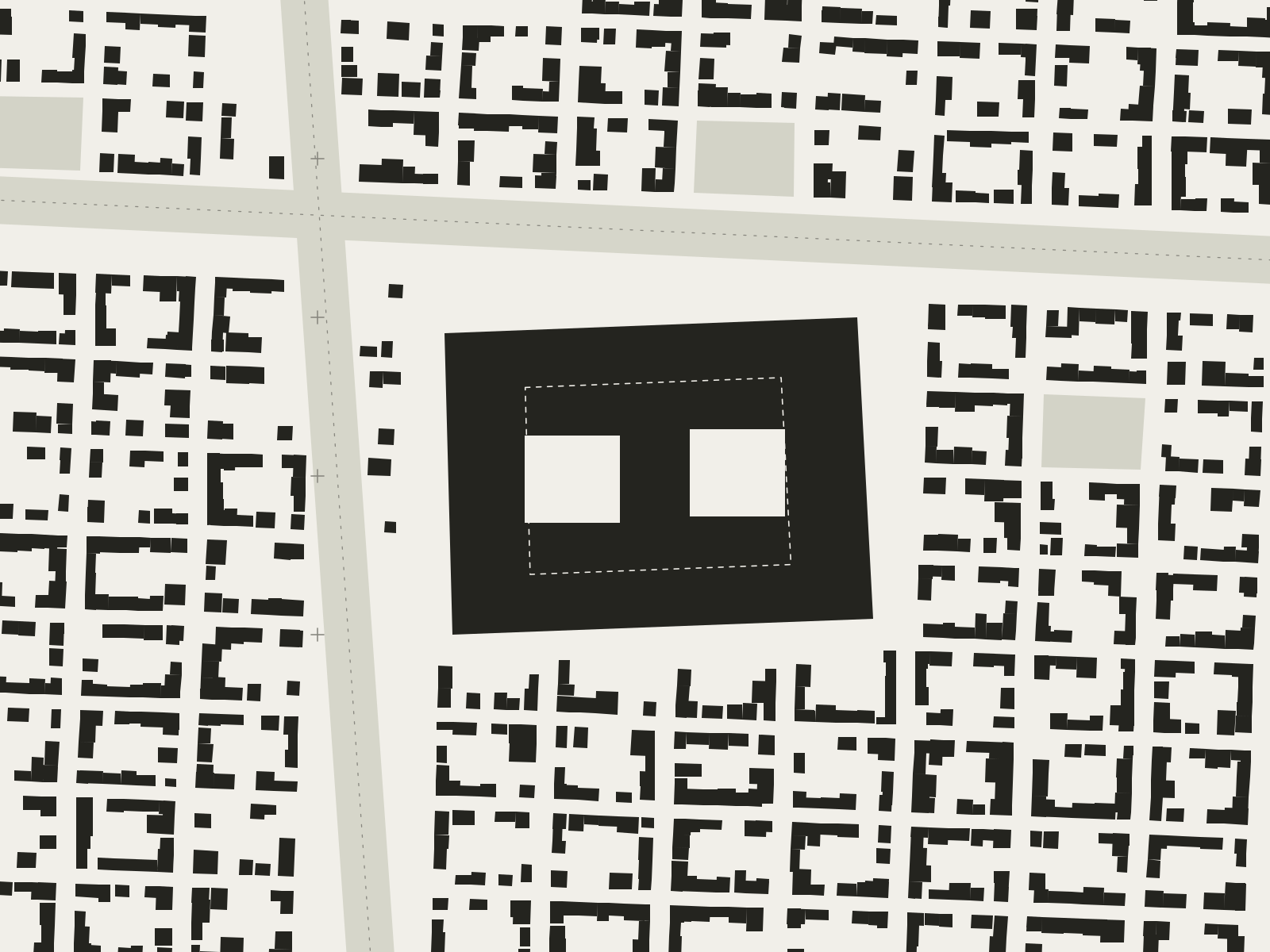
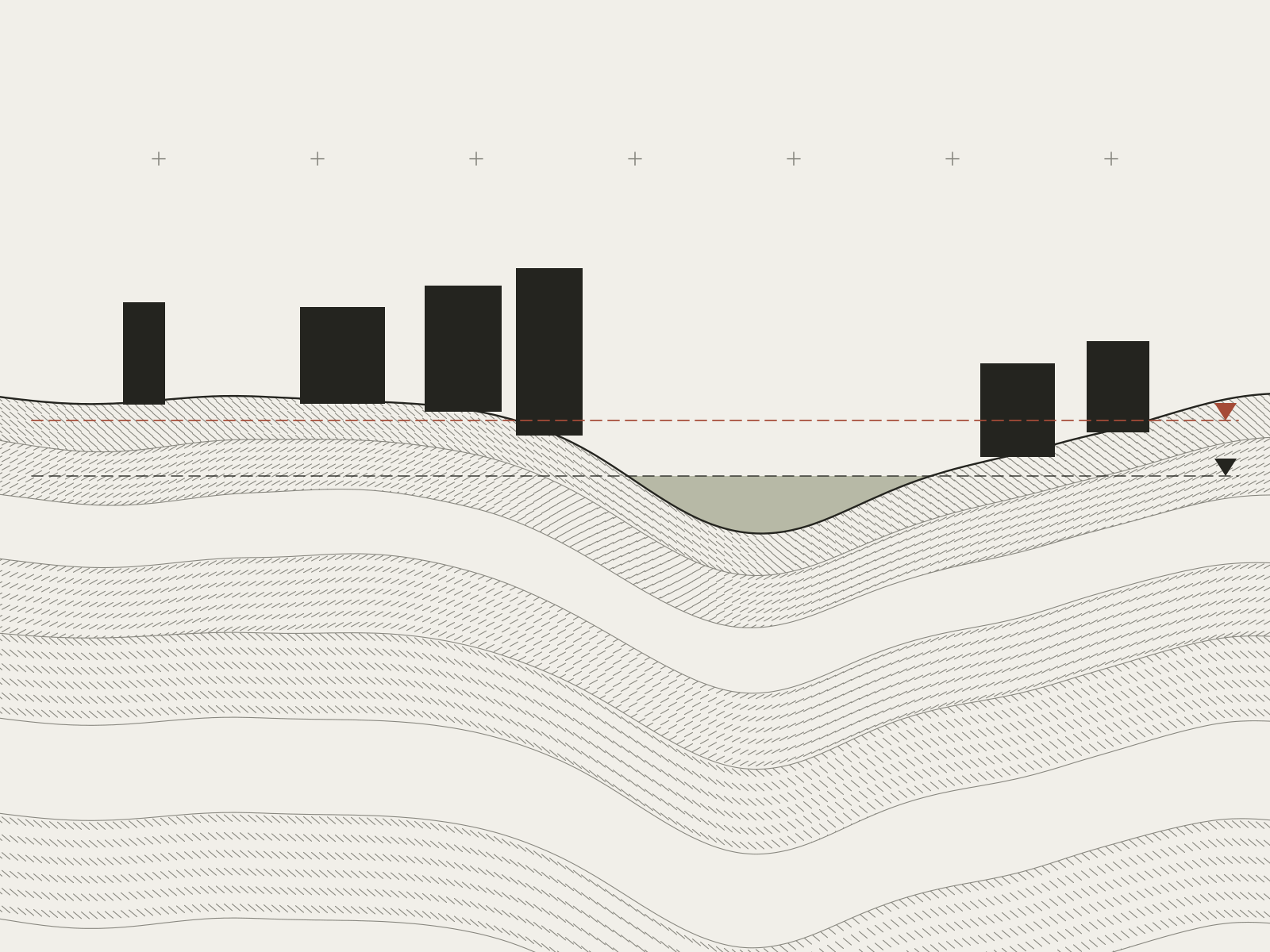
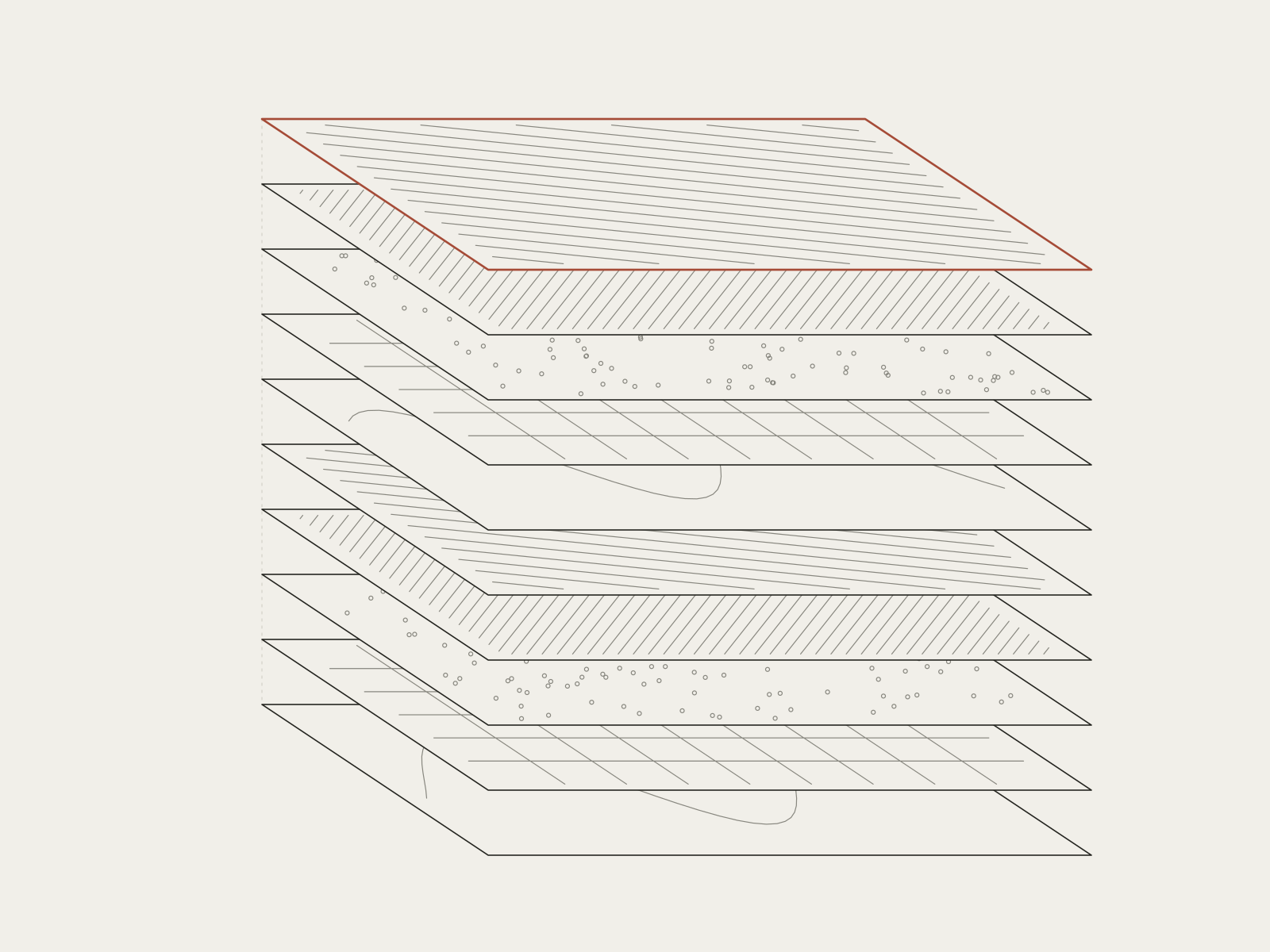
The urban layer concerns the collective organisation of settlement: density, infrastructure and public space (Reza 2025). It reads streets, waterfronts, transit and open space as the shared frame within which buildings acquire their meaning.
New Contextualist writing describes cities in which a highway cuts through what was once a neighbourhood and a once-lively waterfront is ‘reduced to sewage and concrete embankments’ (Reza and Nitu 2025). Its case studies respond at the scale of the city: the Kallyanpur Khal thesis framed a neglected canal as a civic spine, combining flood management with community access within a transit-oriented development (Reza and Nitu 2025).