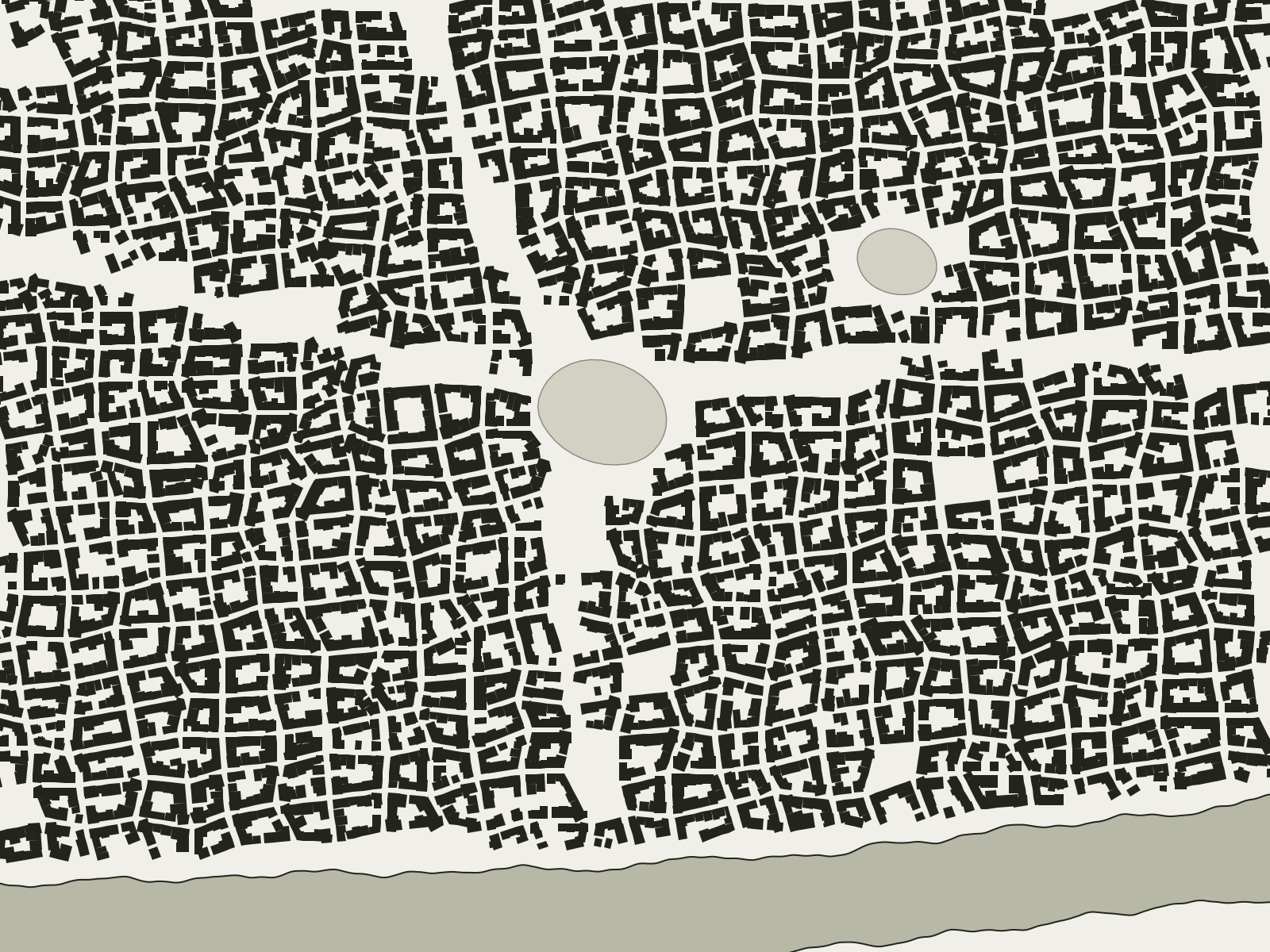
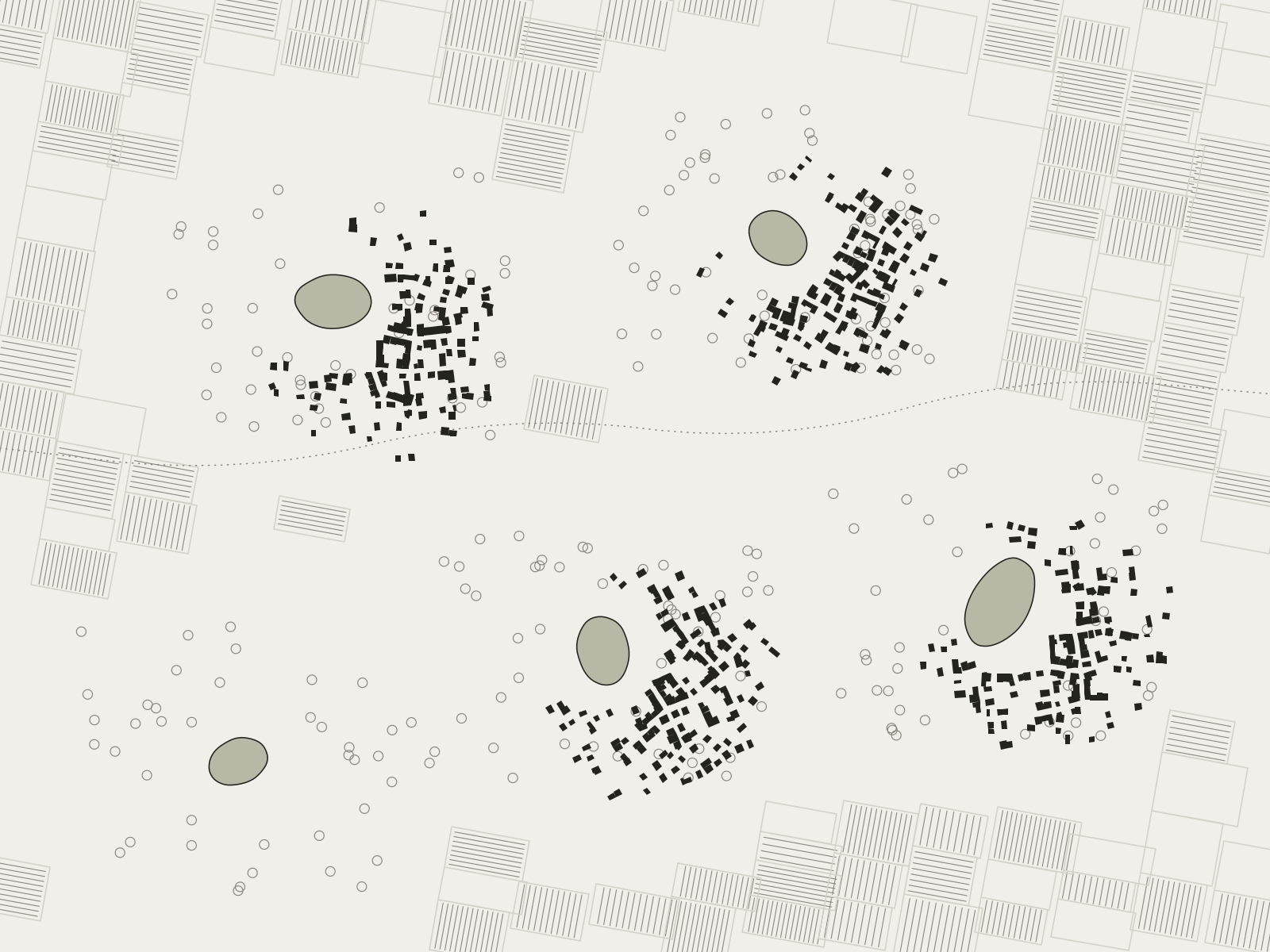
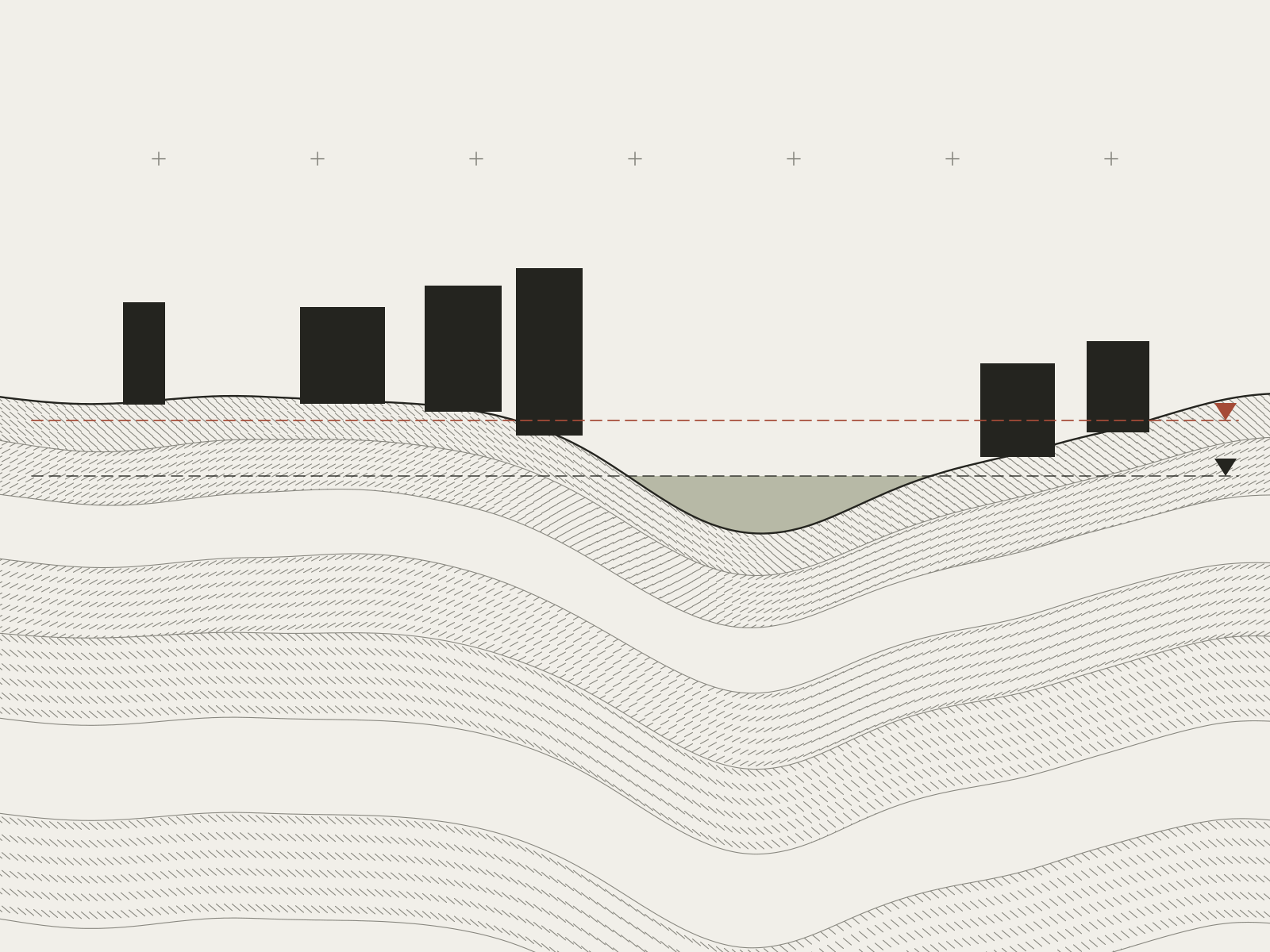
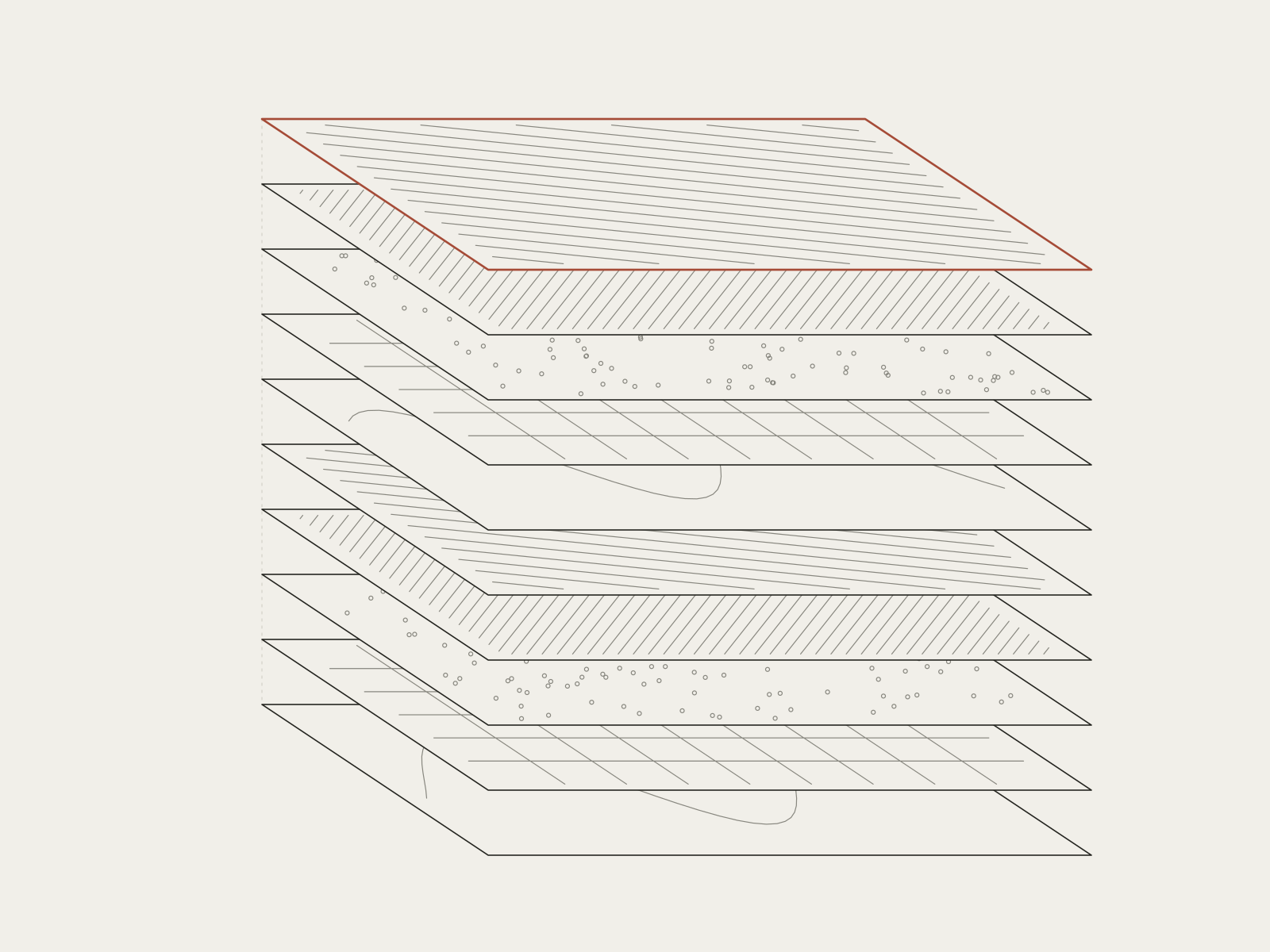
The economic layer concerns the ways a place sustains the people who depend on it: livelihoods, industries and affordability (Reza 2025). It reads the built environment as a field of work, exchange and value, from informal commerce in a historic market to the land values that decide who can remain.
The published case studies show the economic layer working through others. In the Panatirtha thesis, social and cultural readings revealed how pilgrimage and tourism could sustain the economy of the permanent community (Reza and Nitu 2025); the Chawk Bazar proposal integrated livelihoods into a strategy of phased intervention and adaptive reuse (Reza 2025).