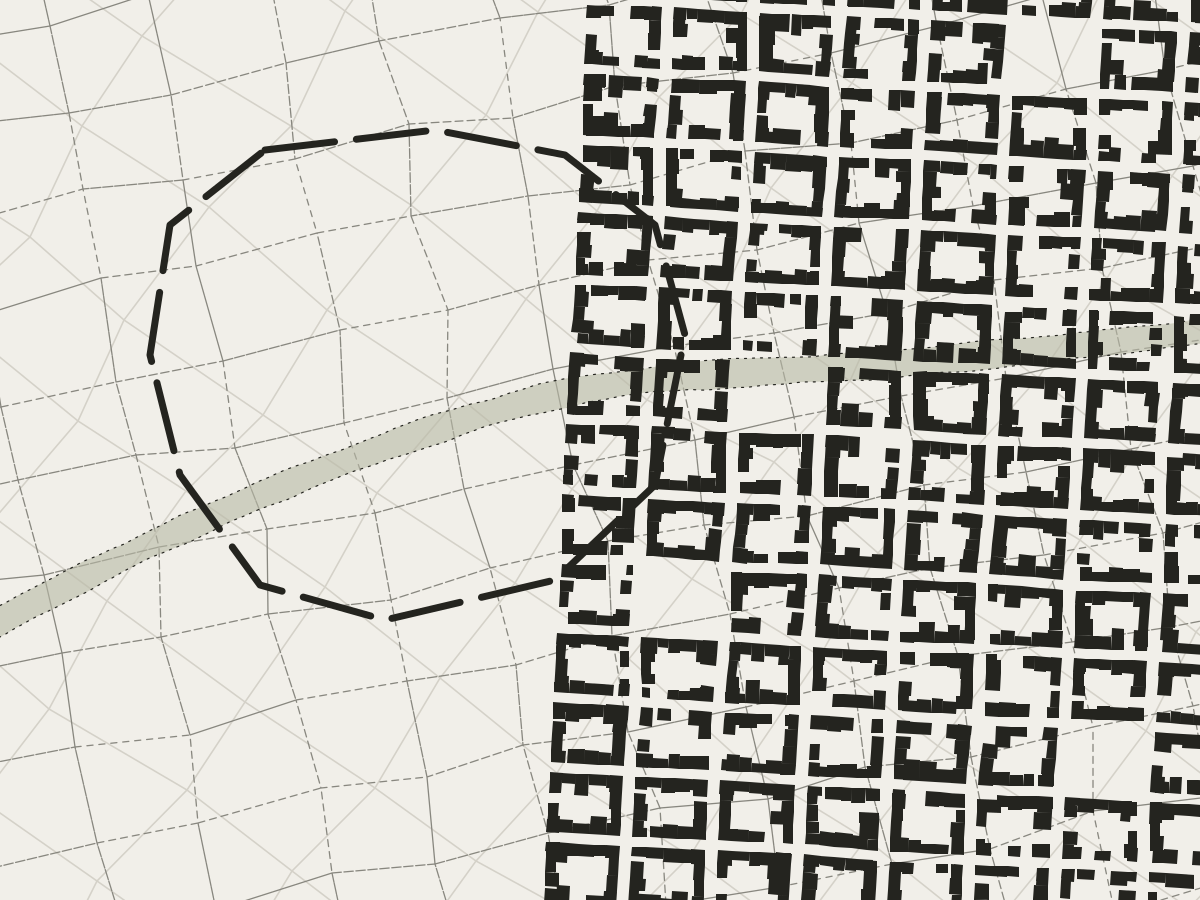
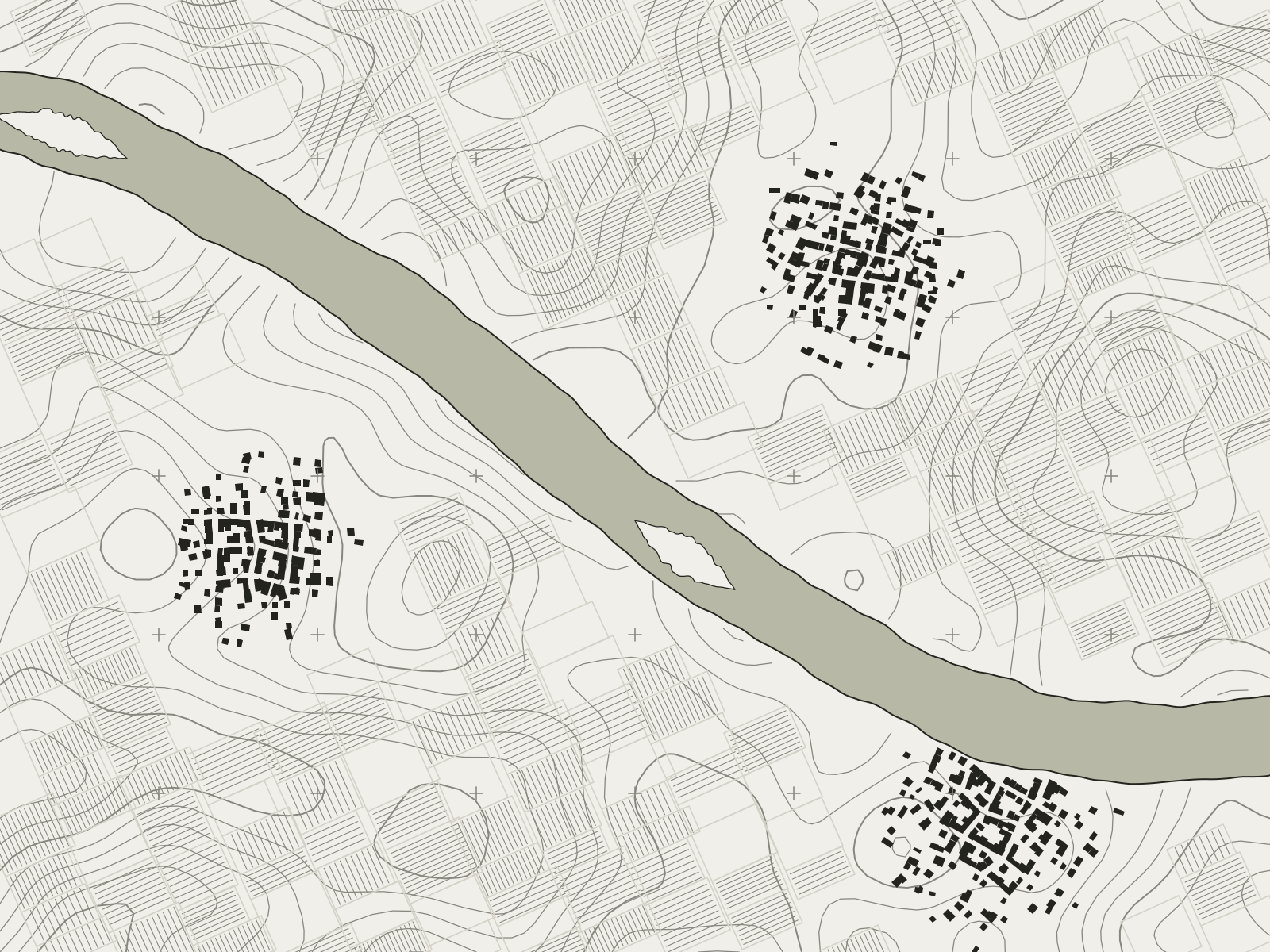
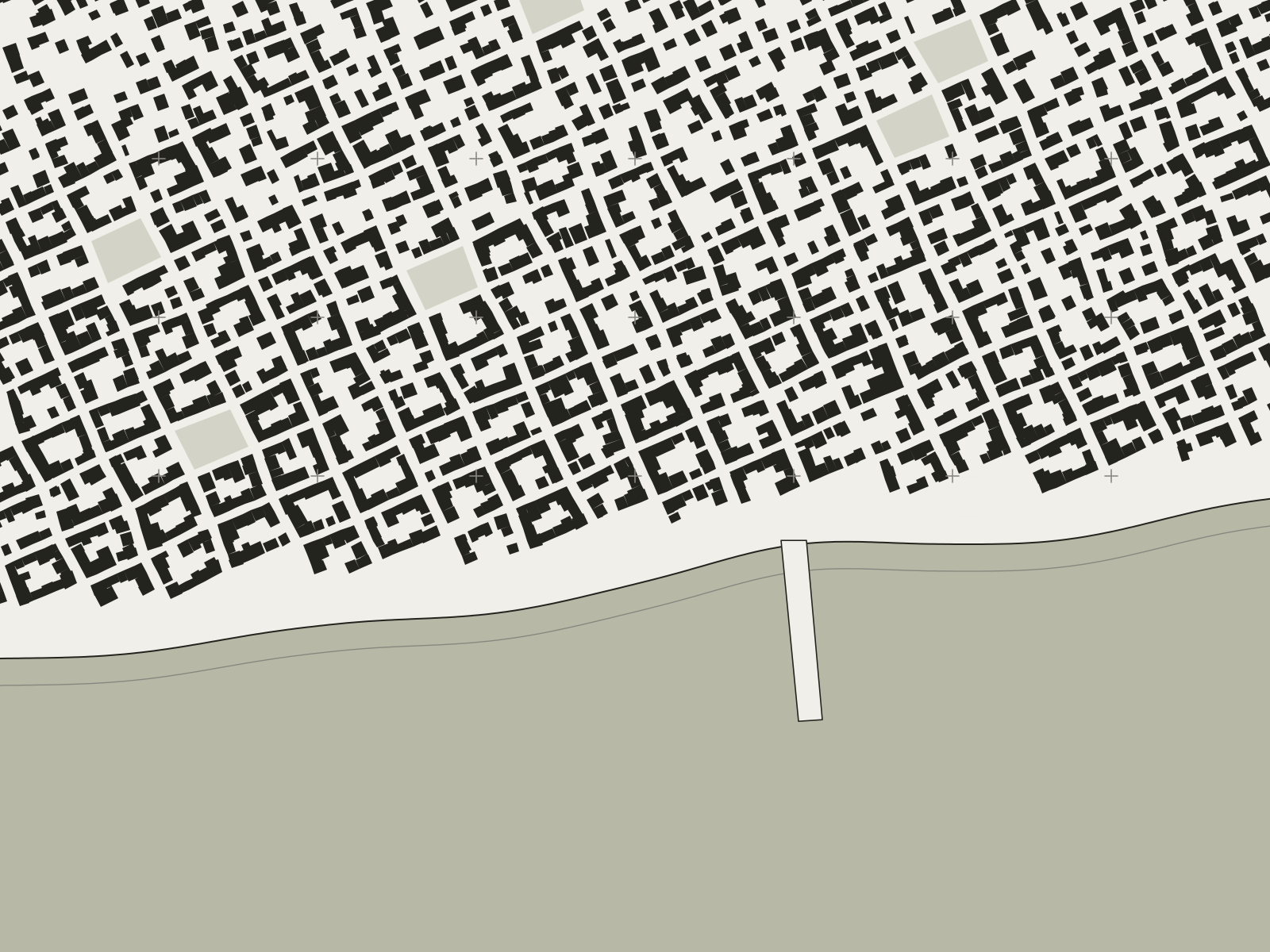
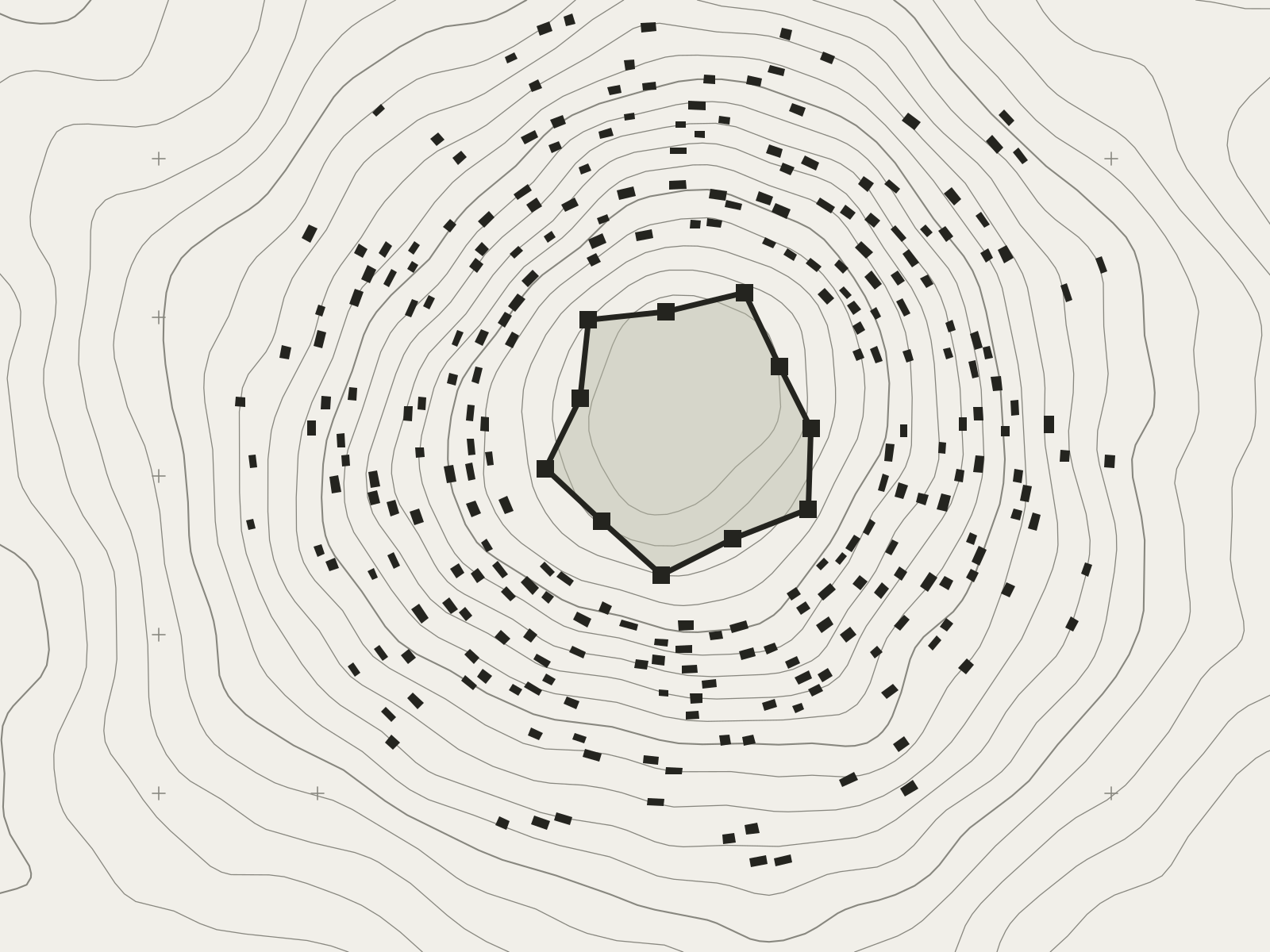
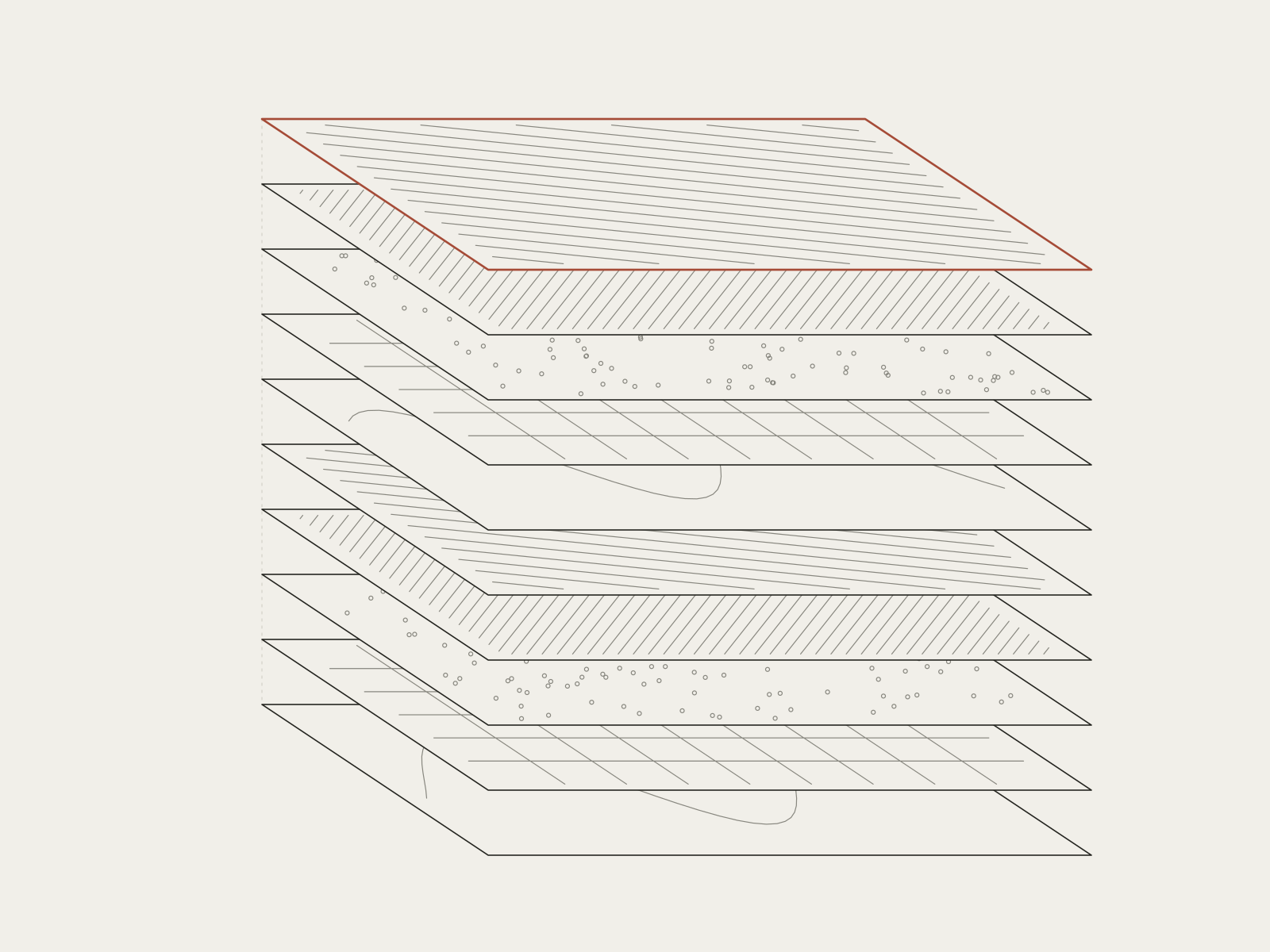
The historical layer reads place as an accumulation of layers of development, memory and significance (Reza 2025). New Contextualism treats history as foundational knowledge rather than an optional pursuit: it illuminates how societies evolved, the successes and failures of earlier interventions, and the long-term consequences of design decisions (Reza 2025).
History is also the basis of anticipation. The founder argues that the past provides ‘the essential data set’ on which meaningful prediction can be built (Reza 2025). At the same time the approach rejects ‘a retreat into uncritical nostalgia’ (Reza 2025): the task is to reinterpret the past intelligently, not to mimic old architectural styles (Reza 2023c).