New Contextualism is presented as a framework for ‘architecture and urbanism’, able to operate at scales from ‘building to city’ (Reza and Nitu 2025). Its title essay of September 2025 is subtitled ‘Architecture and Urbanism for People, Place, and Justice’.
New Contextual Urbanism (NCU)
Not yet defined in a published sourceThe name New Contextual Urbanism has not been found in a published source. A definition will be added here when the founder publishes or approves one.
A 2026 author note describes the founder’s work on ‘deltaic urbanism’ (Reza 2026a). The concept of ‘neo-contextual resilient urbanism’, which ‘considers human behaviour and adapts to changing environments’, is attributed in the report of the 2023 workshop to S M Kaikobad, one of its speakers (BRAC University 2023).
Urban Morphology and Spatial Relationships
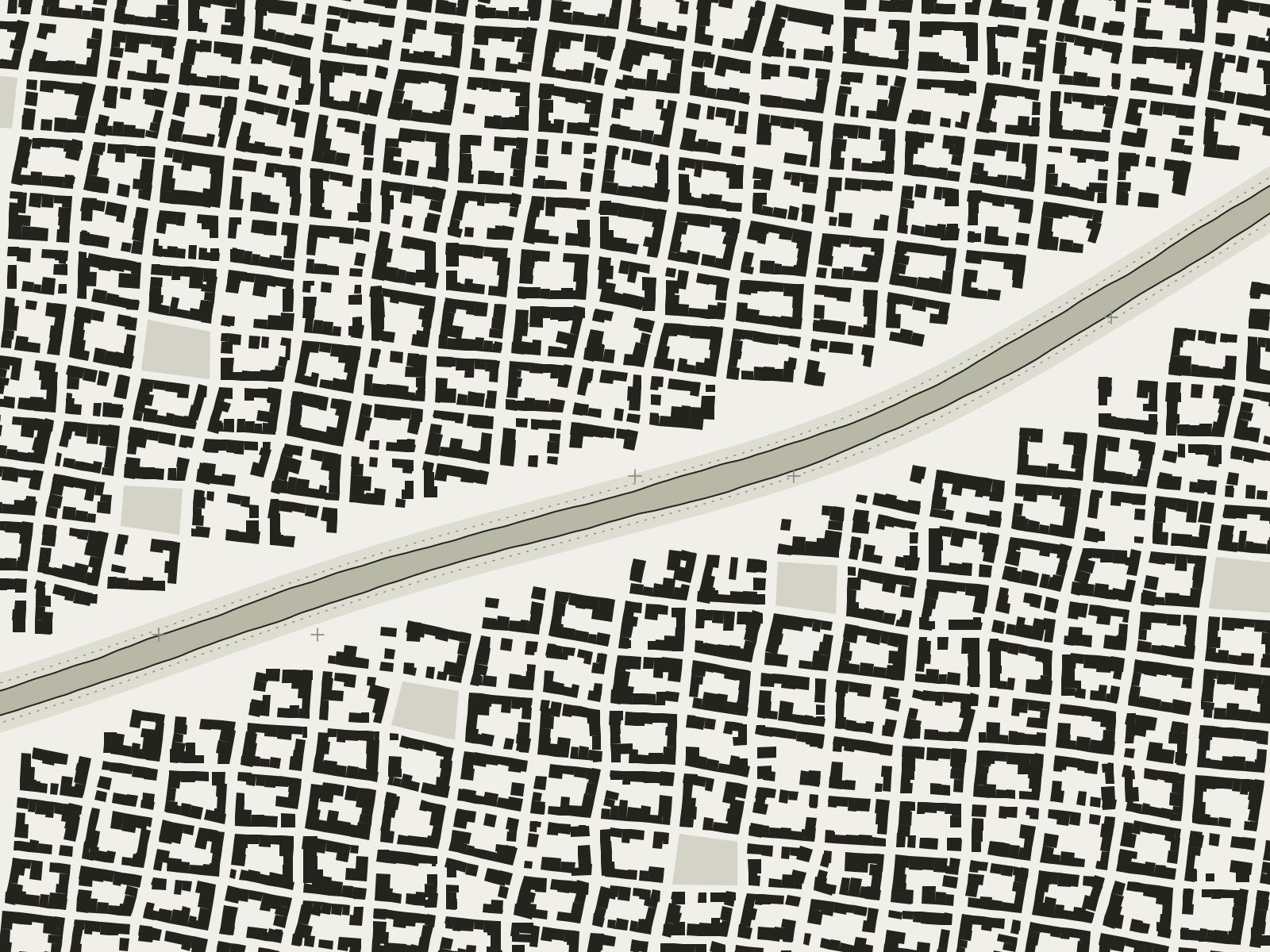
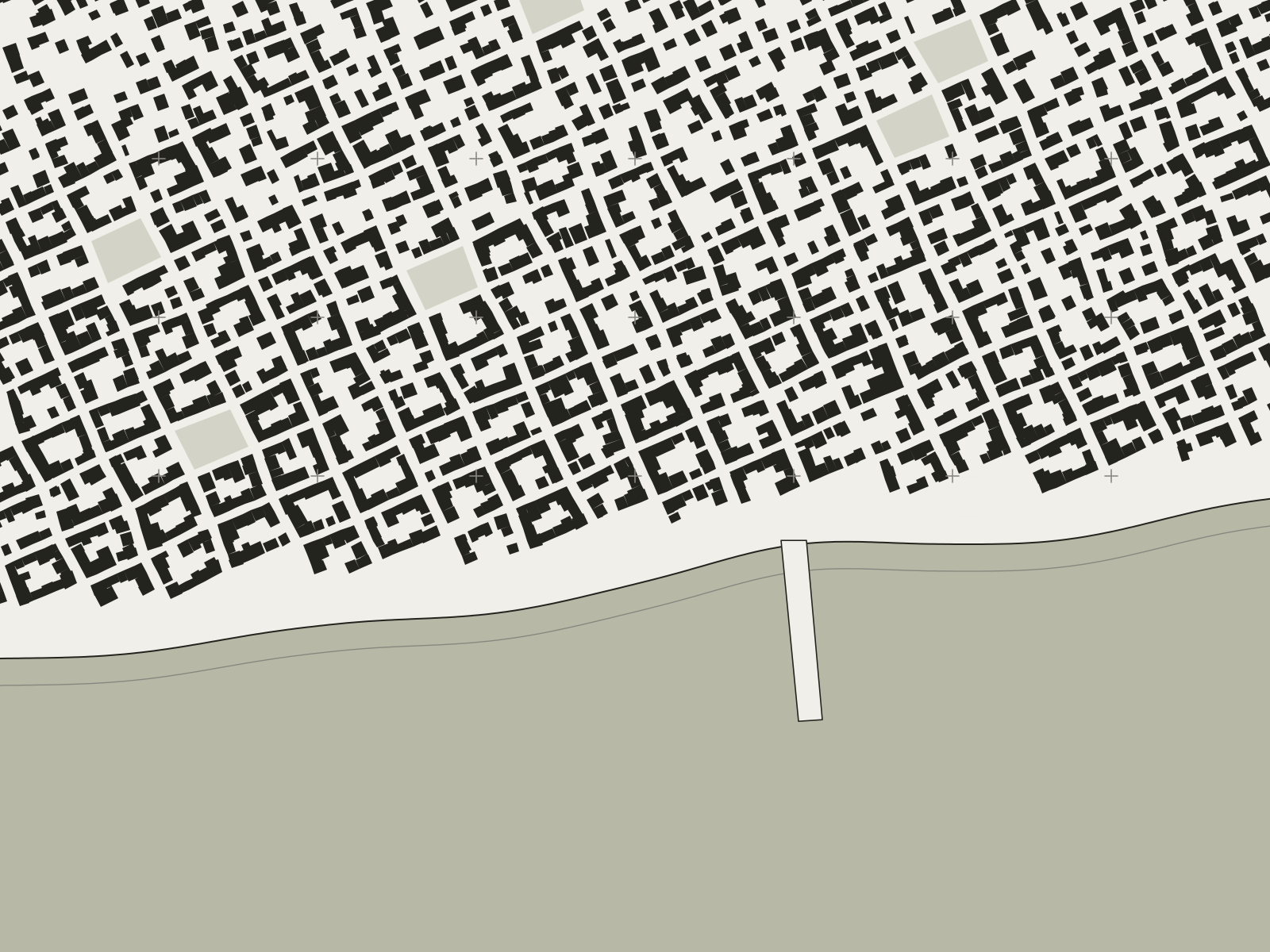
The urban layer reads density, infrastructure and public space (Reza 2025). The founder’s research interest is described as ‘the geometric and morphological development of architecture plus settlements and their connection with cultural, social and religious processes’ (BRAC University n.d.a), and includes a study of morphological change in the household environment of migrants in Dhaka (Awal and Reza 2017).
Where classic contextualism read the city as a figure–ground pattern of solids and voids (Rowe and Koetter 1978), the published case studies treat spatial relationships as carriers of memory and use. In the Panatirtha thesis, community paths and memory routes ‘became the skeleton of new circulation networks’ (Reza and Nitu 2025).
Urban Systems and Interdependencies
The September 2025 essay describes cities as systems under stress: ‘Paved-over wetlands increase flooding; urban heat islands intensify rising temperatures’, while ‘Dhaka is losing Buriganga and canals to encroachment’ (Reza and Nitu 2025). The Kallyanpur thesis responds by framing a neglected canal ‘as a civic spine, combining flood management with community access’, on the premise that ‘a holistic relationship between the canal system and its neighborhoods must be established’ (Reza and Nitu 2025).
The founder draws similar lessons from the delta. Understanding the ‘al’, the raised earthen embankment of the delta, ‘informs approaches to infrastructure and settlement design in flood-prone areas’ (Reza 2025).
The principle of equity and justice commits design to protect ‘the “right to the city,”’ so that ‘no project strips away people’s access to space, belonging, or shared resources’ (Reza and Nitu 2025). The essay names the forces it opposes: gentrification that ‘pushes communities away from the very places they helped shape’, and ‘parallel cities for the rich and the poor’ (Reza and Nitu 2025).
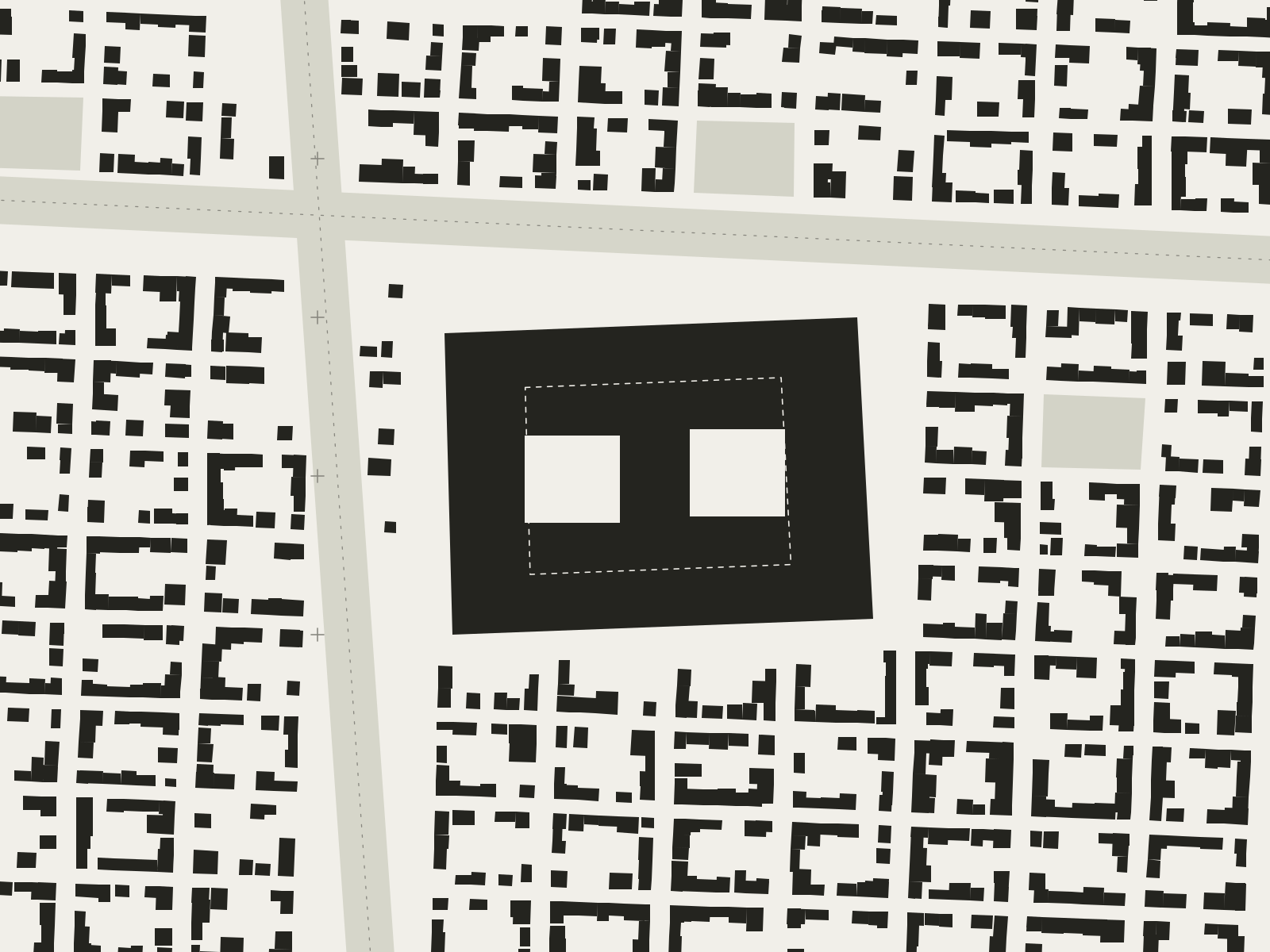
Among the documented proposals, the thesis on Jamuna Future Park reimagines a commercial complex as ‘a civic hub that integrates public life, culture, and community engagement’ (Reza and Nitu 2025).
Awaiting documentationThe published texts do not yet describe methods for assessing who gains and who loses from an urban transformation. See Evaluation and Trade-offs.