Most of the documented applications of New Contextualism are architectural design proposals, made in studios and theses at BRAC University. This page draws on them and on the founder’s essays.
New Contextual Design Methodology (NCDM)
Not yet defined in a published sourceThe name New Contextual Design Methodology has not been found in a published source. A definition will be added here when the founder publishes or approves one.
The published texts describe a design method without giving it this name: the ‘tenfold overlapping study’ of the founder’s studios (Reza 2023c) and the sequence of Read, Plan and Process (Reza and Nitu 2025). At the 2024 workshop, Mohammad Zillur Rahman ‘elaborated on the methodology of implementing New Contextual theory into architectural and urban projects, drawing from previous student projects and real-world examples’ (Arch-Bangla 2024c); the content of that lecture has not been published.
Reading Architectural Context
The architectural layer reads what has been built before: typologies, styles and precedents (Reza 2025). The founder’s examples come from the history of Bengal. Early Buddhist monasteries were ‘a sophisticated response to the local climate’ (Reza 2025), and the Sultanate mosque, ‘incorporating elements like the curved cornice derived from bamboo construction’, exemplifies the synthesis of universal and local knowledge (Reza 2025). See the architectural layer.
Context-Informed Design Decisions
Reading informs design without dictating its forms. The approach ‘does not mean blindly mimicking old architectural styles’ (Reza 2023c). The founder’s example is the transitional semi-open space that older buildings used to mitigate a hot, humid climate, which can be reinterpreted in contemporary buildings ‘through elements like sun-shading louvres, jalis and buffers’ (Reza 2023c).
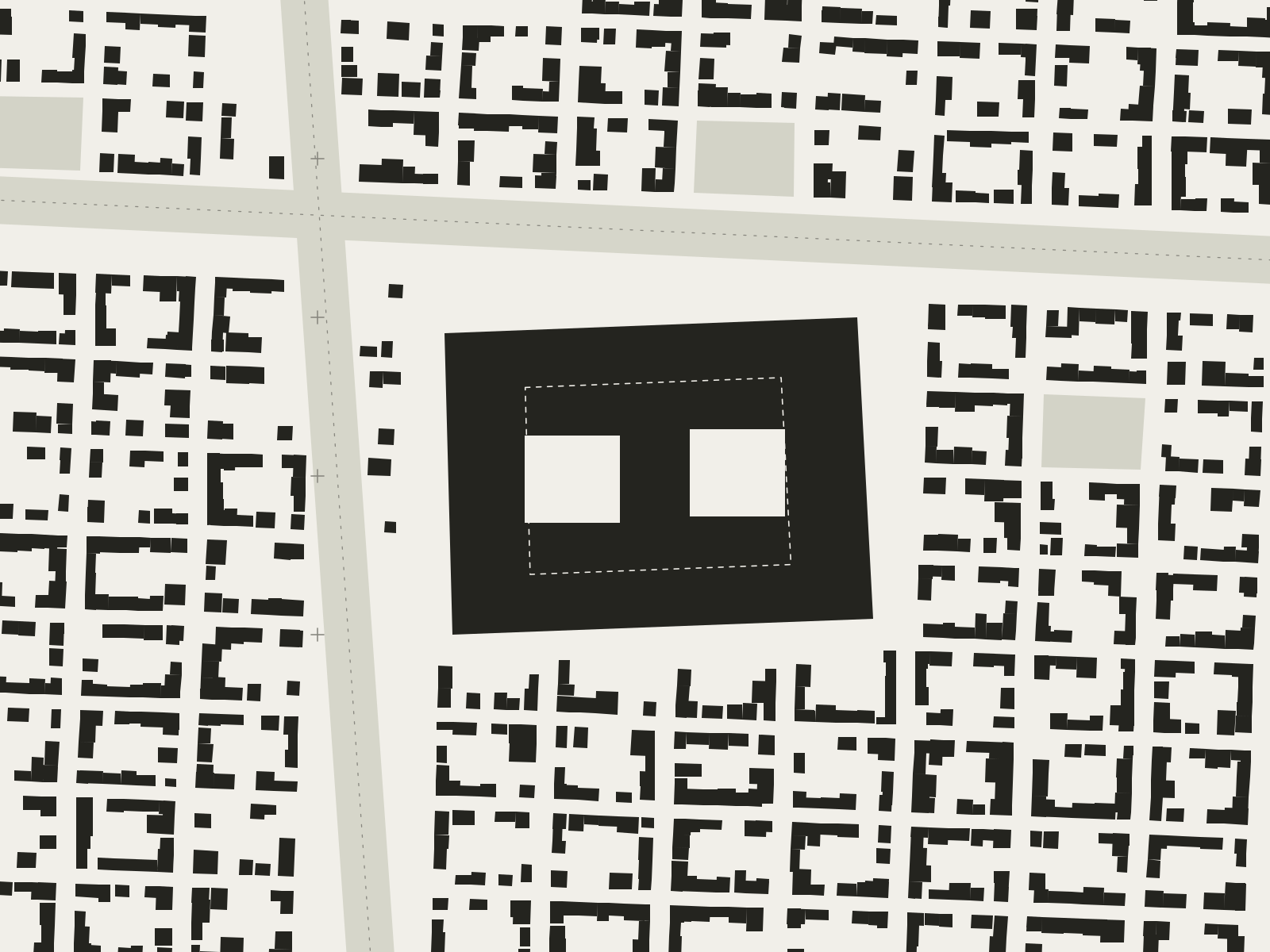
In the documented proposals, decisions follow from the layers that were found to matter. In the Panatirtha thesis, ‘courts for culture and for ritual were not divided but interwoven, open to all identities’ (Reza and Nitu 2025). The thesis on Jamuna Future Park opens a shopping complex ‘to pedestrian networks, green corridors, and social programs’, envisioning it ‘as an inclusive urban platform’ (Reza and Nitu 2025).
Design Evaluation
Awaiting documentationNo published source sets out criteria or procedures for evaluating designs made with the approach.
The September 2025 essay states the outcomes it expects: ‘When the ten-layer lens works in concert with the five principles, we produce buildings and spaces that are lower-carbon, more inclusive, and genuinely loved’ (Reza and Nitu 2025). Its three aims (sense of place and identity, sustainability and social engagement) suggest the criteria by which designs might be assessed; that reading is the editors’. See Evaluation and Trade-offs.